Luxury Boutique Resorts USA: A Strategic Audit for Discerning Travelers
The American hospitality sector has undergone a profound structural shift over the past two decades. The era of the monolithic, standardized luxury hotel—where the primary value proposition was global consistency and the elimination of friction through rigid operational scripts—has entered a period of stagnation. In its place, a more nuanced, intimate, and personality-driven model has emerged. This new architecture prioritizes the “curated experience” over the “standardized amenity,” moving the locus of power from corporate brand guidelines to individual property leadership.
At the heart of this evolution lies a fundamental rethinking of what constitutes a high-end stay. The modern traveler is no longer seeking the safety of a global chain standard; they are seeking access to a distinct point of view. This shift has elevated the smaller, owner-operated, or design-focused property into a new category of asset. These environments are not merely smaller versions of their larger counterparts; they are distinct operational entities that function on different economic and logistical wavelengths.
To engage with this sector effectively, one must move beyond the consumerist gaze. It is insufficient to view these properties as mere backdrops for leisure. They are complex, labor-intensive organisms that require careful management of human capital, supply chains, and architectural stewardship. The luxury boutique resorts usa market is defined by this operational intensity. It is a space where the property’s size—its defining feature—is both its greatest advantage and its primary point of vulnerability. This article serves as a technical audit of that sector, designed to provide the systemic clarity required to evaluate, select, and understand these properties as the sophisticated assets they are.
Understanding “luxury boutique resorts usa”
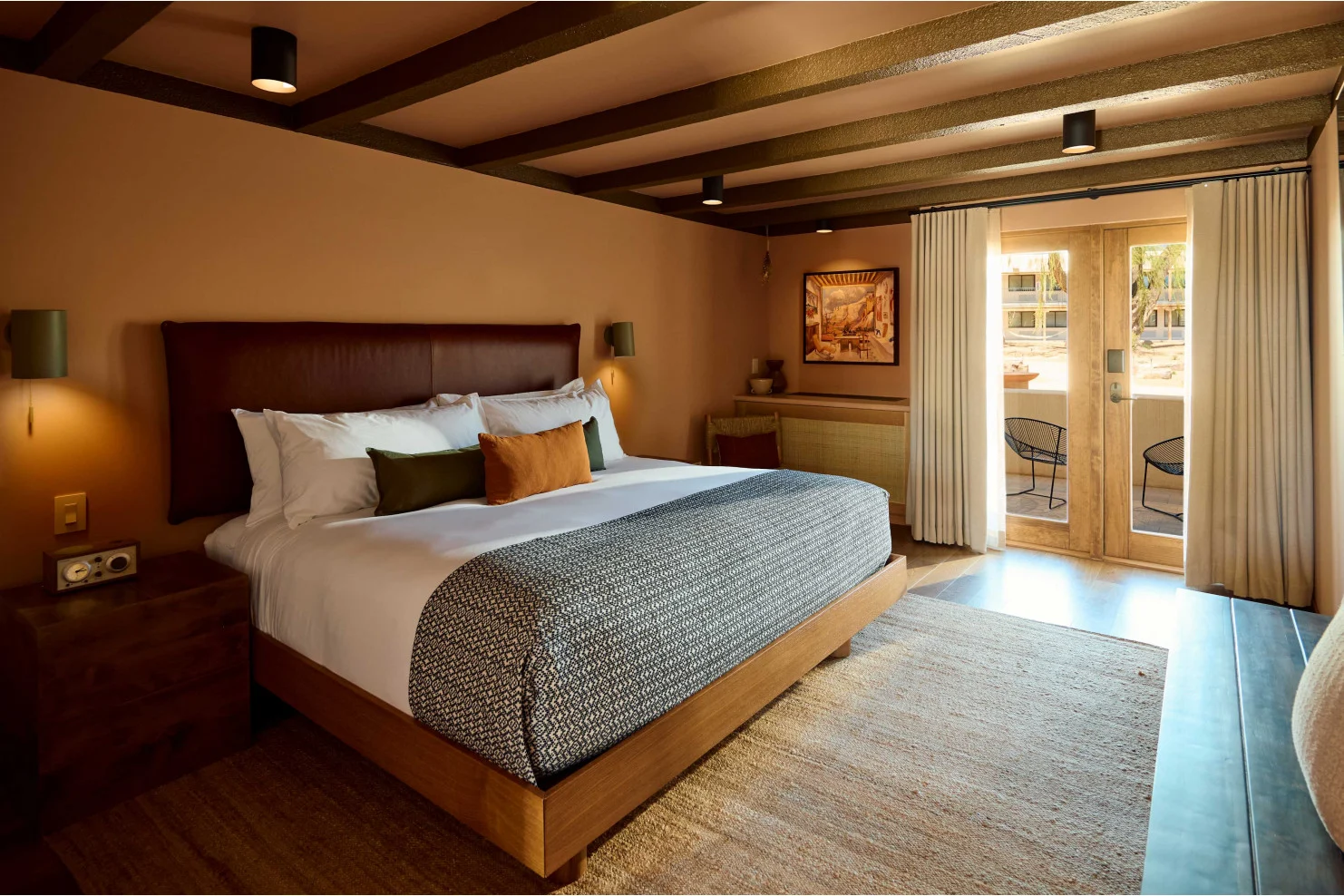
The term luxury boutique resorts usa is frequently treated by travel aggregators as a catch-all category for any independent property with a high design quotient. This is an analytical error. True boutique hospitality is an operational philosophy, not a size constraint. It refers to a property where the “owner’s hand”—the deliberate decision-making of a specific leadership team—remains visible in every guest touchpoint.
The common misunderstanding is the assumption that “boutique” implies an easier, more relaxed operation. In reality, the opposite is often true. Larger properties benefit from economies of scale and institutional redundancy; they have the systems to absorb a staffing shortage or a supply chain failure. Boutique properties, by definition, lack this redundancy. They rely on “hyper-competence” and high staff-to-guest ratios to maintain standards. When a boutique resort functions well, it is because of an intense, coordinated effort to manage a volatile ecosystem. When it fails, it is usually because the management attempted to “scale” the boutique experience without the necessary operational depth.
We define this category by three primary markers: (1) Autonomy: The property operates with significant freedom from rigid, corporate-mandated operating procedures. (2) Intention: The guest experience is designed around a specific narrative or purpose, rather than being a generic collection of amenities. (3) Integration: The property exists in a symbiotic, rather than extractive, relationship with its physical and cultural location.
Deep Contextual Background: The Evolution of Hospitality Logic
The genesis of the American boutique movement lies in a reaction against the homogenizing forces of the late 20th-century luxury boom. As brands consolidated, the guest experience became increasingly predictable—which, ironically, made it increasingly forgettable. The market began to crave “the exception.”
Early iterations of this sector in the United States were often “concept-first.” They were driven by visionaries who prioritized design, art, or a specific lifestyle philosophy. However, this initial wave often lacked operational maturity. They were beautiful installations that struggled with the realities of high-end service. The current, mature phase of the luxury boutique resorts usa market is characterized by a “professionalization of the intimate.” Today’s leaders in this space combine the raw, disruptive creativity of the early boutique era with the rigorous, data-driven operational standards of the traditional luxury giants. They have learned that the “soul” of a property cannot survive without the “bones” of a solid business model.
Conceptual Frameworks and Mental Models
To navigate this market, apply these frameworks to any property you are vetting.
-
The Service Density Model: This measures the quality of the guest-to-staff interaction. In a boutique resort, high service density should not mean “intrusive.” It should mean “anticipatory.” If you are being asked for your preferences constantly, the property is failing at anticipatory service. If your needs are met before you articulate them, the property is functioning at the correct density.
-
The Redundancy-Creativity Tradeoff: This is the core tension of the boutique model. As a property becomes more creative, idiosyncratic, and specialized, it inherently becomes less redundant. If a key staff member or a specific supplier leaves, the “soul” of the experience can vanish. Understand that you are trading systemic reliability for a more unique, higher-reward experience.
-
The Asset Autonomy Index: How much does the property rely on a larger brand’s reservation system, global supply chain, or management training program? A high autonomy index indicates a property with a distinct, independent identity; a low index suggests a “boutique-in-name-only” property that is effectively a small chain hotel.
Key Categories and Operational Variations
The boutique market is not a monolith. It is fragmented into several distinct operational archetypes, each with its own set of trade-offs.
When selecting among luxury boutique resorts usa the traveler must choose the trade-off they are willing to accept. If you choose an Adaptive Reuse property (a converted historic building), you accept the idiosyncrasies of the architecture—creaky floors, quirky layouts—as part of the premium you pay for the history. If you choose a Culinary-focused property, you accept that the entire experience will revolve around the dining schedule.
Detailed Real-World Scenarios
Scenario 1: The “Identity Drift” Crisis A boutique property relies entirely on the reputation of its founding chef. The chef leaves. The property fails to replace the “vision” with an operational standard, relying only on the aesthetic. Guests arrive expecting the original creative intensity but find a generic, high-priced facsimile. The second-order effect is a rapid collapse in guest sentiment, as the “boutique” promise is fundamentally broken.
Scenario 2: The Service Depth Test A guest arrives at a secluded estate during a severe weather event. The property has no corporate “storm protocol” because it prides itself on its “personal, informal” service. The service collapses under the strain of the logistics. A more resilient boutique property would have had a “shadow protocol”—an informal but rigorous plan for emergency situations—that allows them to pivot without sacrificing the boutique feel.
Scenario 3: The Maintenance Debt Realization A guest books a boutique property famous for its historic architecture. Upon arrival, they find that the HVAC system is failing and the windows are drafty. The “boutique” charm becomes “operational neglect.” The failure mode here is the owner’s inability to balance the cost of maintaining a non-standard asset with the revenue it generates.
Planning, Cost, and Resource Dynamics
The “Total Cost of Experience” (TCE) in the boutique sector is highly variable.
The opportunity cost of choosing a boutique resort over a branded one is the loss of predictability. You are essentially paying to be “experimented upon” by the property’s vision. Ensure that the vision is one that aligns with your personal definition of value.
Tools, Strategies, and Support Systems
-
The “Key Staff” Audit: Research the management team. How long have they been there? In boutique hospitality, the turnover of the Department Head (the GM, the Head Chef, the Lead Concierge) is the single most significant predictor of quality.
-
The Pre-Arrival Logistical Test: Send a complex request regarding logistics, dietary needs, or transportation well in advance. The promptness and precision of the response will tell you everything you need to know about the property’s internal communication effectiveness.
-
The Zoning/Location Check: Use satellite data. If a boutique resort is located in an area with heavy local traffic or noise pollution, their “privacy” promise is likely a marketing construct.
-
The “Third-Party” Vetting: Call a local luxury transport provider or a local high-end tour guide. Ask them: “Who do you consider the most reliable partner in the local hospitality space?” They have no stake in the property’s marketing and will provide the most honest operational assessment.
Risk Landscape and Failure Modes
There is a distinct taxonomy of failure in the boutique market.
-
The “Concept Creep”: The property tries to satisfy too many demographics. A resort that tries to be a family-friendly oasis and a high-end wellness retreat simultaneously will fail at both.
-
The Labor Vacuum: Because boutique properties require highly skilled, “authentic” staff, they are hypersensitive to labor market fluctuations. If the property does not have a comprehensive staff housing or development strategy in a remote location, the service will inevitably drift.
-
The Preservation Trap: Properties tied to historic preservation often have “handcuffs” on their operational capability. They cannot upgrade the climate control, the digital infrastructure, or the layout without massive regulatory hurdles, leaving guests in a beautiful but dysfunctional space.
Governance, Maintenance, and Long-Term Adaptation
The most stable boutique properties are those that engage in “Adaptive Governance.” They do not just maintain the property; they evolve it. Look for evidence of regular, incremental upgrades rather than massive, infrequent overhauls. A property that is constantly being refreshed is one that is being actively managed as a long-term asset. When evaluating a property for the long term, consider its relationship with the local community. A boutique resort that is integrated into its local economy—sourcing labor, food, and culture from its neighbors—is almost always more stable and capable of delivering a high-quality experience than one that exists as a gated, alien entity.
Measurement, Tracking, and Evaluation
-
Leading Indicators: The precision and warmth of the pre-arrival communication. A property that is organized in its digital outreach is almost always organized in its physical operations.
-
Lagging Indicators: The “Staff-to-Guest” interaction quality at the end of the stay. Do the staff look genuinely engaged, or are they exhausted and mechanical? The latter is a clear sign of systemic failure in management.
-
Qualitative Signals: The “Atmospheric Consistency.” Does the quality of service remain constant from the early morning shift to the late-night shift? If the service quality drops significantly during off-hours, the property lacks a unified operational standard.
Common Misconceptions and Oversimplifications
-
“Small is Always Better.” Small scale is a constraint, not a benefit. It requires higher levels of operational excellence to function. Poorly managed small properties are often more frustrating than poorly managed large ones.
-
“The Concierge is an All-Knowing Authority.” The concierge is an employee with a specific set of vendor relationships. They are an asset, but they are not the source of truth regarding the property’s operational stability.
-
“The ‘Resort Fee’ is Just a Rip-off.” While often annoying, it is a mechanism for bundling. The key is not to avoid it, but to understand what it actually covers and leverage those services fully.
-
“Authenticity can be Manufactured.” One of the primary myths surrounding luxury boutique resorts usa is that a “design theme” creates an “authentic experience.” Authenticity comes from the interaction between the staff, the location, and the guest, not from the furniture in the lobby.
Ethical, Practical, and Contextual Considerations
The American luxury sector is often critiqued for its environmental and social footprint. The sophisticated traveler should consider this. Resorts that prioritize water conservation, local sourcing, and the ethical treatment of their labor force are not just “doing good”—they are building a more resilient, higher-quality product. A resort that exploits its environment or its staff will eventually suffer from the consequences of that exploitation, whether through regulatory failure, staff attrition, or a degradation in the quality of the experience.
Synthesis and Conclusion
The pursuit of the boutique experience is an exercise in discerning what is genuine and what is merely a performance. It requires an analytical mindset that treats the property not as a fairy-tale destination, but as a complex, operational system. By understanding the underlying mechanics—the labor models, the supply chain logistics, the infrastructure, and the revenue strategies—the discerning traveler can navigate this environment with clarity and purpose.
The ultimate objective is to secure an experience where the logistical apparatus is invisible, leaving only the intended impact: a sense of restoration, engagement, or luxury. This is not achieved by chance; it is the result of aligning oneself with properties that respect the operational reality of their environment and possess the internal discipline to maintain their standards in the face of constant pressure. The true luxury is not the amenities themselves, but the total absence of operational friction, a state achieved only when the resort is functioning at the absolute peak of its potential. The future of luxury boutique resorts usa lies in this rigorous commitment to substance over style, ensuring that the promise of a “boutique” stay is backed by the reality of a world-class operation.