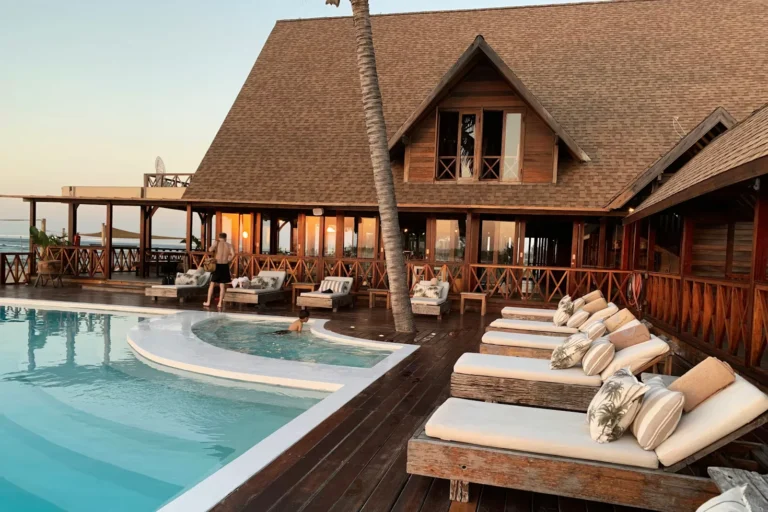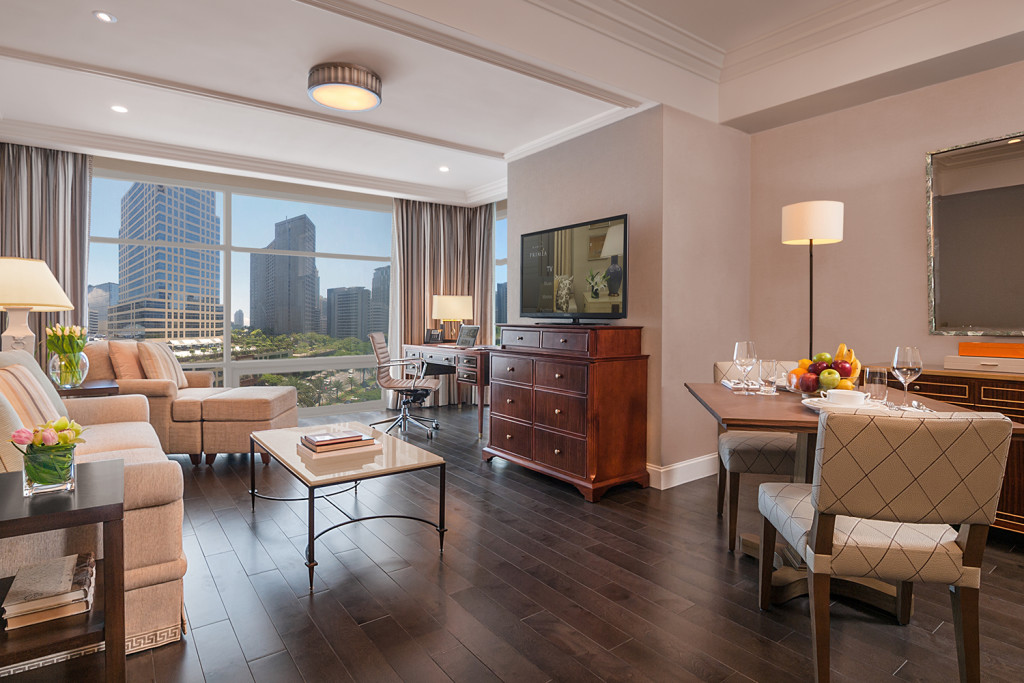
Best Luxury Resorts for Extended Stays: A Strategic Guide to Long-Term Hospitality
The traditional conception of a luxury resort stay—a week of compressed intensity, high-frequency service, and transactional interaction—is undergoing a profound transformation. Increasingly, sophisticated travelers and HNW (High-Net-Worth) individuals are shifting their focus toward extended-stay models. This is not merely a preference for longer holidays; it is a fundamental reordering of how luxury capital is allocated. The goal is no longer just consumption; it is the integration of travel into one’s lifestyle, requiring an environment that supports stability, wellness, and long-term comfort.
When identifying the best luxury resorts for extended stays, one must look past the superficial veneer of infinity pools and nightly turndown service. The operational requirement for a two-week or two-month stay is entirely different from that of a five-day weekend. This shift necessitates a critical evaluation of infrastructure: kitchen facilities, storage, service sustainability, and, most importantly, the ability of the property to maintain its service standards over an indefinite timeline.
This guide provides an analytical framework for navigating this category. It is intended for the reader who views travel not as a momentary escape, but as a long-term asset to be managed with the same rigor applied to any other investment. By understanding the underlying operational mechanics, one can effectively distinguish between high-end transient hotels and true long-term sanctuaries.
Understanding “best luxury resorts for extended stays”
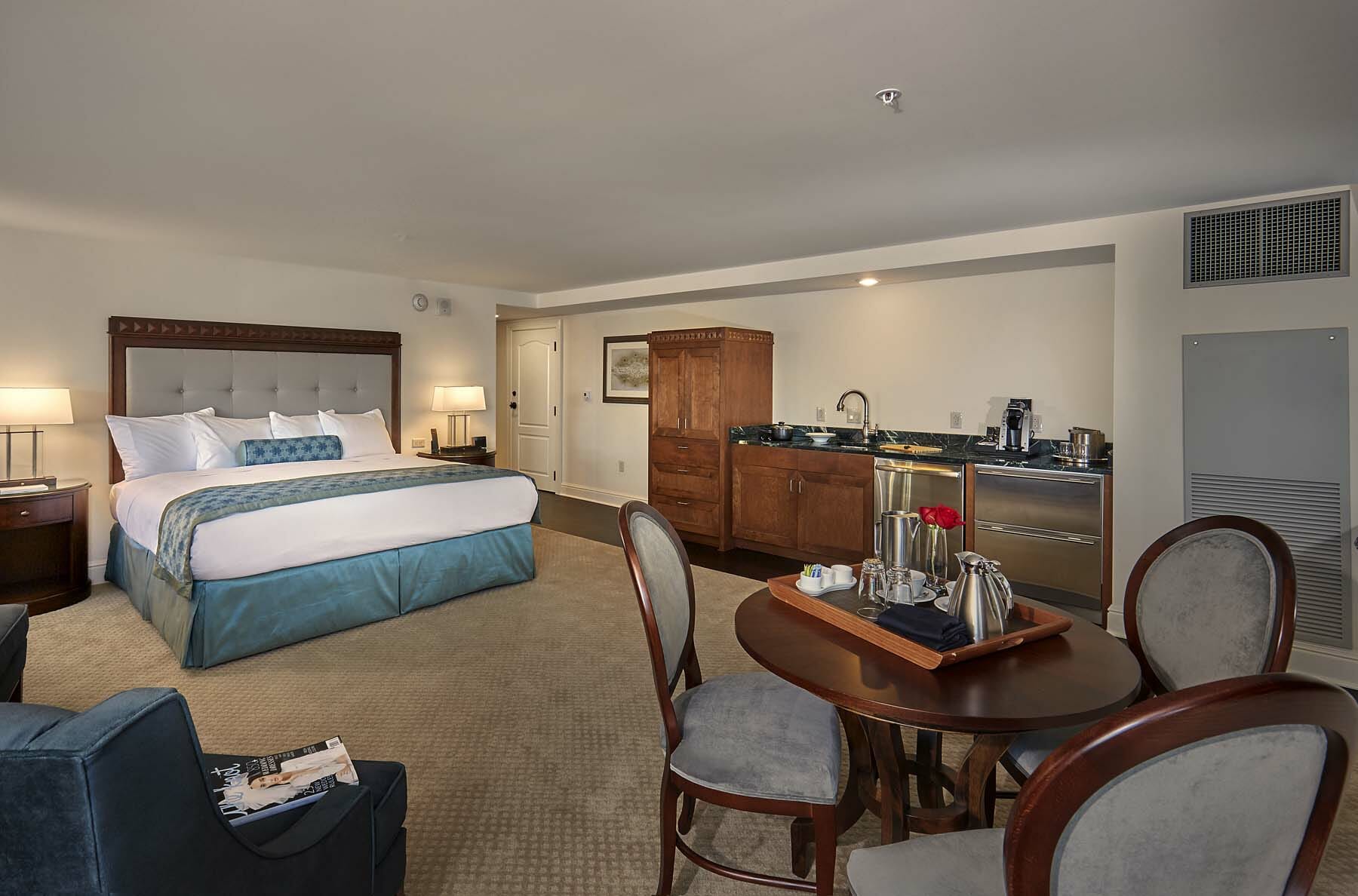
The primary confusion regarding the best luxury resorts for extended stays stems from the industry’s tendency to market everything as “luxury,” regardless of its actual utility for long-term residency. A resort that functions perfectly for a three-day celebration can become oppressive over a three-week period. The lack of residential infrastructure—such as proper food preparation capabilities, adequate storage for belongings, or high-speed connectivity robust enough for professional demands—is the most common failure mode.
Oversimplification in this space typically manifests as selecting a property based on its “brand name” or “Instagram aesthetic” rather than its operational reality. The best luxury resorts for extended stays are rarely the ones focused on high-turnover, flash-in-the-pan viral moments. Instead, they are the properties that have invested in “placemaking”—the creation of an environment where a guest can establish a rhythm. The risk of oversimplification is that the traveler treats a long-term stay as a series of short stays stitched together, leading to “service fatigue,” where the repetitive nature of hotel service becomes a disruption rather than a benefit.
Deep Contextual Background
Historically, long-term luxury travel was the province of the landed gentry or the diplomatic elite, who maintained permanent residences in global capitals. Resorts have had to pivot from being ephemeral destinations to being “hubs of living.”
This has given rise to the “Branded Residence” and the “Managed Villa” model, which now represent the gold standard for extended stays. These assets bridge the gap between the hotel and the home. They provide the full-service infrastructure of a five-star hotel—concierge, security, maintenance, and dining—while incorporating the domestic comforts of a private residence. The systemic evolution of these properties reflects a recognition that for the high-end traveler, the value proposition has moved away from “being waited on” and toward “being facilitated.”
Conceptual Frameworks and Mental Models
To determine which properties qualify as the best luxury resorts for extended stays, apply these analytical lenses:
-
The Domestic Infrastructure Test: Does the unit support the basic functions of independent living (cooking, cleaning, laundry, secure storage)? If it does not, it is a transient suite, not a long-term stay asset.
-
The “Stickiness” Factor: Does the resort offer social ecosystems (clubs, curated activities, communal spaces) that encourage a sense of belonging without demanding participation?
-
The Service Sustainability Matrix: High-intensity service (daily full-property deep cleaning) is exhausting over months. The ideal property offers a “tiered” service level where the intensity can be adjusted based on the guest’s preference for privacy vs. support.
Key Categories or Variations
| Category | Infrastructure Focus | Best Suited For | Strategic Trade-off |
| Branded Residences | Kitchen, laundry, private entry | Long-term professional/family | High capital lock-in |
| Full-Service Villa | Privacy, private staff | Multi-gen/Milestone retreats | Risk of isolation |
| Boutique Hotel-Residence | Community, social, dining | Solo travelers, long-term sabbatical | Limited storage/space |
| Wellness Retreats | Nutrition, clinical/fitness | Health optimization phases | Strict regimentation |
The decision logic is predicated on the “Autonomy vs. Service” ratio. If the requirement is complete autonomy, a branded residence is required. If the requirement is full-service facilitation, a managed villa with dedicated staff is the superior choice.
Detailed Real-World Scenarios
Scenario 1: The Corporate Sabbatical. A technology executive requires 30 days of high-bandwidth focus. They need a quiet, secure environment with office-grade internet. Selecting the best luxury resorts for extended stays in this context means prioritizing properties that have “executive” infrastructure—dedicated workspace, soundproofing, and private, non-shared, high-speed lines. A resort that markets itself on “digitally disconnected” will be a failure mode here.
Scenario 2: The Multi-Generational Summer. A family of eight requires a three-bedroom villa cluster. The failure mode here is service degradation. A resort designed for couples will struggle to manage a large family over 60 days. Success requires a property with a proven “residence management” team—staff who do not just clean, but who manage the household (grocery procurement, equipment maintenance, activity scheduling).
Planning, Cost, and Resource Dynamics
The economic structure of a long-term stay is entirely different from short-term booking.
| Cost Component | Short-Stay (Transient) | Long-Stay (Extended) | Optimization Strategy |
| Room Rate | Daily Rack Rate | Monthly/Long-term Contract | Negotiate block contracts |
| F&B | Daily Expense | Provisioning/A La Carte | Utilize in-unit kitchen |
| Service Fees | 15-20% Flat | Tiered/Flat Fee | Contractual service caps |
Opportunity cost is significant. A long-term stay at a high-end resort often rivals the cost of a luxury apartment in a major capital. The resource dynamic shifts from “how much can I spend” to “how efficiently can I allocate capital to service versus autonomy.”
Tools, Strategies, and Support Systems
-
Direct-to-Director Negotiation: Never use the online booking engine for a stay exceeding 14 days. Contact the Director of Sales directly. The rates displayed online are for transient inventory and do not reflect the margin profile of a long-term guest.
-
The “Live-In” Audit: Request a walkthrough of the specific unit, not a “category” view. For extended stays, factors like natural light, distance from common areas (noise), and the layout of the kitchen are non-negotiable.
-
Property Management Agreements: If you intend to stay for over a month, ensure there is a clear, written agreement on how maintenance, laundry, and amenity access will be handled to avoid “guest creep.”
Risk Landscape and Failure Modes
The primary risks when selecting the best luxury resorts for extended stays are operational in nature.
-
Service Attrition: Over time, the staff may become accustomed to your presence and start to cut corners. This is human nature. Formalizing service standards through a dedicated residence manager is the mitigation strategy.
-
Property Lifecycle Disruptions: A long-term stay is susceptible to resort-wide events (renovations, ownership changes, off-season shutdowns). Always include a “quiet enjoyment” clause in your long-term contract.
-
The “Isolation Trap”: Being in a resort for 30+ days can lead to a sense of disconnect. Properties that lack a “local” connection—a way to bridge the gap between the resort and the surrounding culture—will eventually feel like a gilded cage.
Governance, Maintenance, and Long-Term Adaptation
Governance of a long-term stay requires a “House Manual.” Treat your time at the resort as a residence, not a vacation.
-
Review Cycles: Conduct a weekly “service review” with the resort management. This is not for complaining, but for calibrating. “We found the housekeeping timing was disruptive to the afternoon schedule; let’s adjust to an 8 AM routine.”
-
Adjustment Triggers: If a specific staff member or service protocol is underperforming, address it immediately. Do not allow low-level irritants to compound into a ruined experience.
-
Layered Checklist: Before arrival, confirm: internet bandwidth (tested), kitchen inventory (checked), laundry turn-around time (guaranteed), and access to private transport/concierge (24/7).
Measurement, Tracking, and Evaluation
Evaluation metrics are essential for determining the success of the stay.
-
Leading Indicators: The responsiveness of the concierge to “non-tourist” requests (e.g., sourcing specific dry goods, arranging bespoke logistics).
-
Lagging Indicators: The “Service Fidelity” metric—was the quality of service in Week 4 identical to the quality of service in Week 1?
-
Documentation: Keep a “Preference Log.” If the resort staff does not adapt to your specific, long-term preferences, the property is not a true luxury long-stay candidate.
Common Misconceptions and Oversimplifications
-
Myth: “Longer stays are always cheaper.” Correction: While the per-night rate may be lower, the “hidden” costs—laundry, dining, storage, and utility premiums—often offset the savings if not carefully negotiated.
-
Myth: “I can just extend my booking.” Correction: Hotels often have dynamic pricing and might not honor your initial rate. Always lock in the term with a signed contract.
-
Myth: “All suites are long-term ready.” Correction: Most hotel suites are designed for 3-5 days. They often lack sufficient closet space, proper lighting for deep work, or durable kitchenware.
Ethical and Contextual Considerations
The selection of the best luxury resorts for extended stays involves ethical stewardship. Long-term stays place a sustained demand on local resources—water, waste, and labor. The most advanced properties are those that have built resilient systems to handle this impact (e.g., independent desalination, community employment programs). Choosing a property that integrates with, rather than exploits, the local context ensures the stay remains sustainable and culturally enriching.
Conclusion
The search for the best luxury resorts for extended stays is ultimately a search for operational excellence. It is the ability of a property to maintain high-touch standards while providing the low-profile infrastructure required for daily life. By applying this level of analytical rigor—treating the resort as a partner rather than a service provider—the extended stay becomes a powerful tool for lifestyle design rather than a mere change of scenery.