Best Ranch Luxury Resorts United States: Strategic Guide
The American West has long occupied a singular position in the national consciousness, functioning as a semiotic shorthand for autonomy, ruggedness, and untamed possibility. However, the contemporary landscape of high-end hospitality has fundamentally altered this narrative. No longer are ranches merely agricultural operations or rudimentary guest lodges; they have evolved into complex, capital-intensive service environments that attempt to synthesize the inherent volatility of cattle ranching and land stewardship with the rigid expectations of modern ultra-luxury tourism.
This synthesis creates an inherent operational tension. The “ranch” as a concept necessitates a degree of physical engagement with the landscape—early mornings, unpredictable weather, and the physical labor of equestrian or bovine management—while the “luxury resort” model demands seamlessness, comfort, and a minimization of effort. Discerning the quality of a property requires more than evaluating the interior design or the culinary program; it requires an interrogation of how the property navigates this friction.
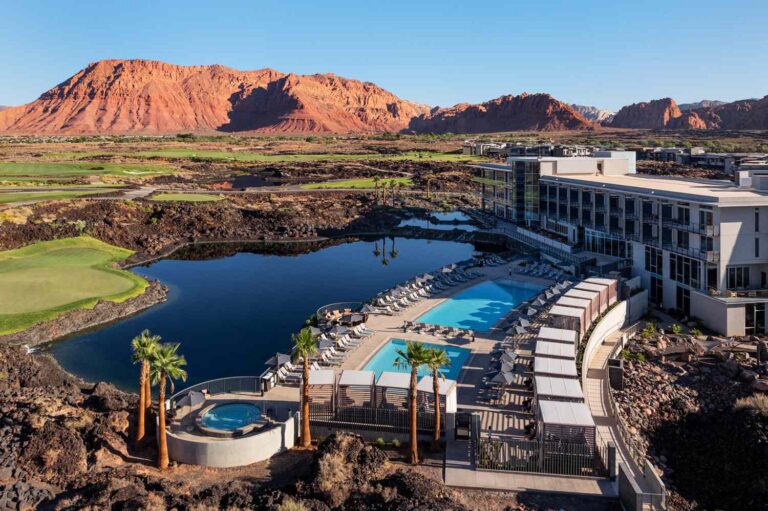
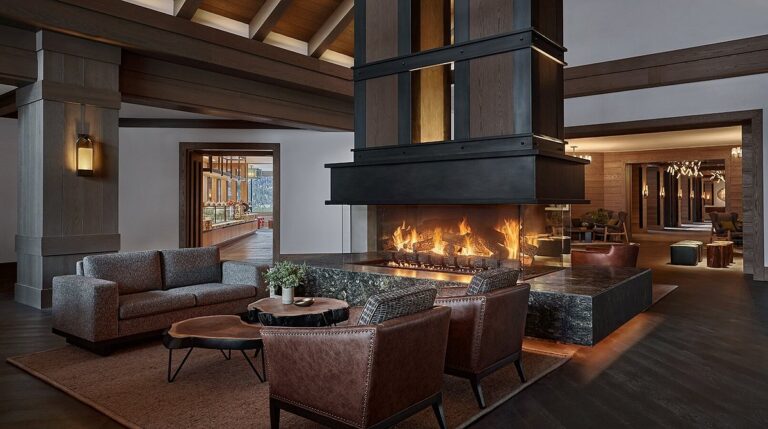
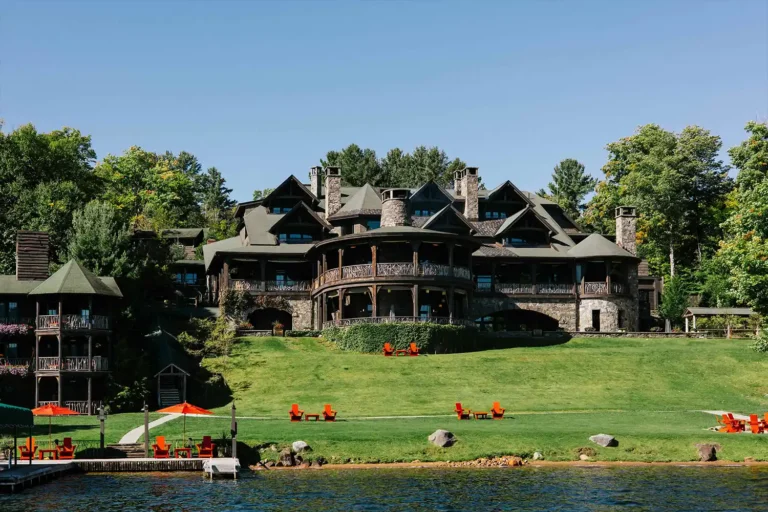
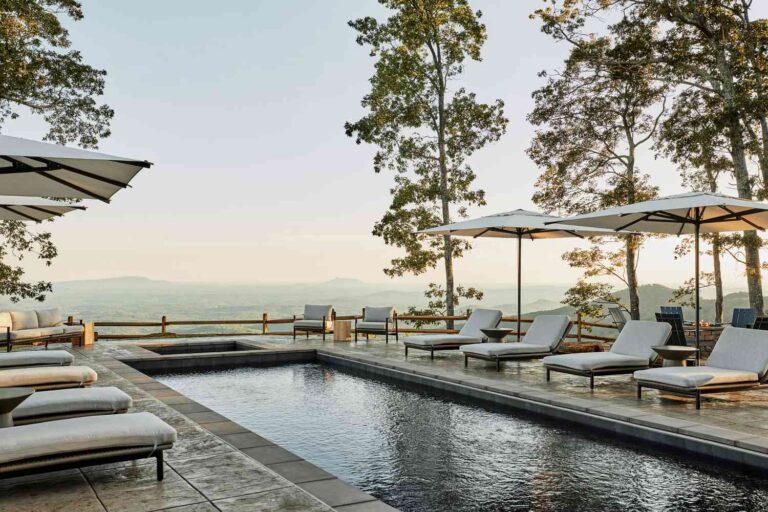
When potential guests investigate the best ranch luxury resorts united states, they are often confronted with a marketing veneer that masks the actual operational backbone of the estate. To find the genuine article, one must strip away the romanticism and examine the underlying infrastructure: the quality of the equestrian program, the provenance of the land stewardship, and the robustness of the supply chain in remote environments. This article serves as an analytical reference for the discerning traveler, establishing a methodology for evaluating these properties as both assets and experiences
Understanding the best ranch luxury resorts united states
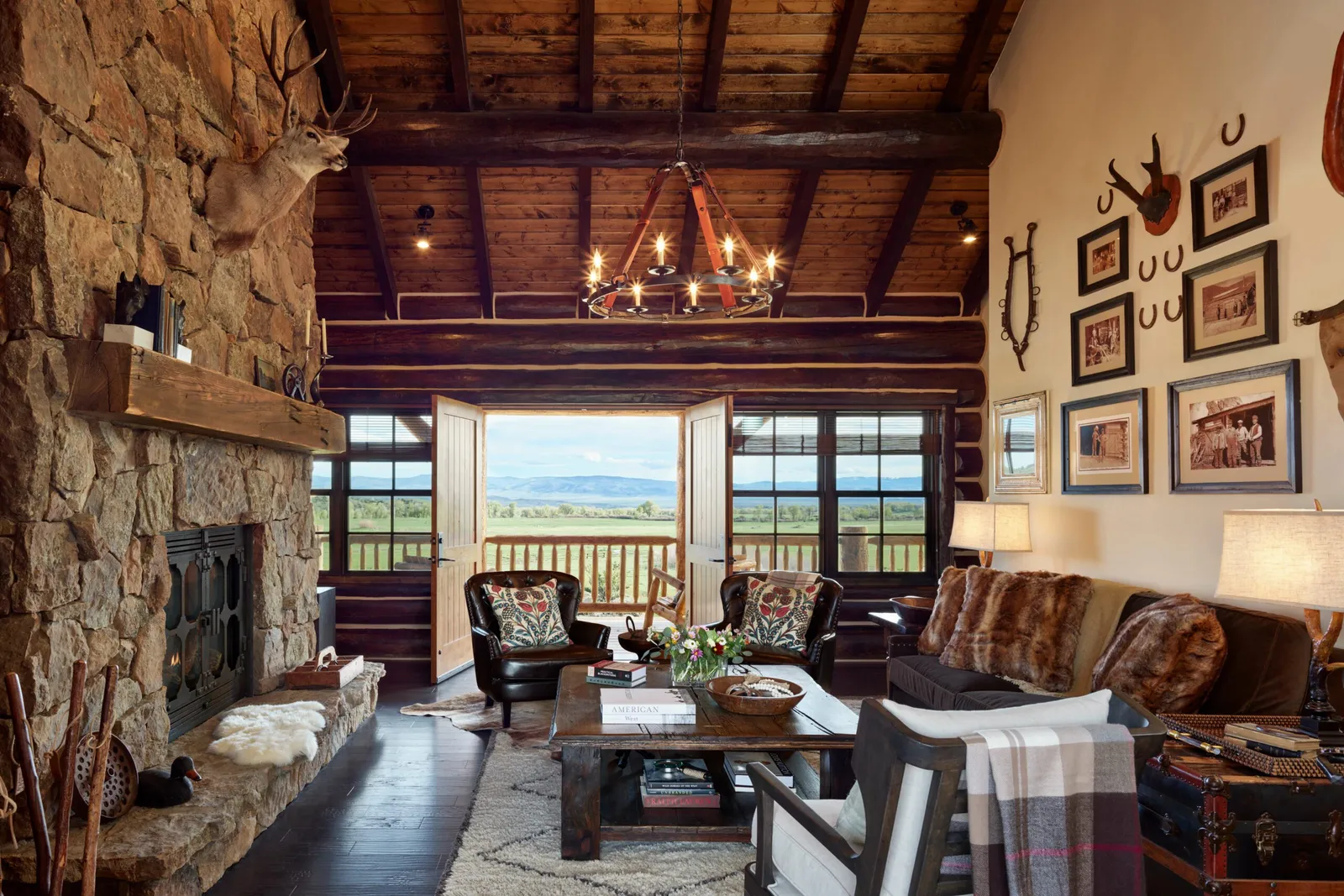
The nomenclature utilized in this sector is notoriously imprecise. Properties frequently classify themselves as “ranches” when they are, in function, simply hotels located in rural areas with an equestrian-themed aesthetic. This creates a significant information asymmetry for the traveler. The best ranch luxury resorts united states are defined not by their proximity to mountains or the presence of horses in the stables, but by their functional integration into a working land model.
Oversimplification in this space typically manifests as selecting a venue based on its social media profile or its brand name. The failure mode here is profound: a guest arrives expecting a curated, seamless resort experience, but finds themselves in an environment where the realities of agricultural life—the dust, the insects, the early hours, the mechanical noise of ranch operations—clash with their expectations of leisure. Conversely, a guest seeking authentic engagement with the land may find themselves in a property that is essentially a corporate-managed lodge that prevents any genuine interaction with the ranching process. Understanding these properties requires a rigorous decomposition of the “guest experience” versus the “estate operation.”
Deep Contextual Background
The trajectory of the American ranch resort began in the late 19th and early 20th centuries as “dude ranches,” aimed at the Eastern elite seeking a performative engagement with the West. These were primitive by modern standards, prioritizing atmospheric authenticity over comfort. The mid-20th century saw a drift toward professionalized lodge operations, where the “ranch” was merely a setting for a standard hotel service.
However, the late 20th and early 21st centuries saw a pivot toward the “lifestyle estate.” As ultra-high-net-worth individuals began purchasing vast tracts of Western land, they professionalized the ranching operations (investing in top-tier cattle genetics, water rights, and conservation) and simultaneously built high-end hospitality infrastructure to offset operational costs and socialize the asset. This created a new tier of property: the privatized, high-functioning, eco-conscious estate. The contemporary market is a reaction to this, attempting to replicate the prestige of private estate ownership through the mechanism of commercial luxury travel.
Conceptual Frameworks and Mental Models
To evaluate these properties effectively, apply these three analytical lenses:
-
The Experience Density Model: How much of the property’s value is derived from the amenities (pools, spas, dining) versus the landscape (riding, hiking, fly fishing)? Properties that are heavily weighted toward amenities are essentially urban luxury hotels in rural settings; those weighted toward landscape offer a distinct, higher-risk, higher-reward experience.
-
The Operational-Pastoral Balance: A working ranch is noisy, busy, and sometimes unpolished. A luxury resort is quiet, manicured, and predictable. The best properties have an architectural and operational buffer between these two realities. If you hear the cattle trucks at 5:00 AM, the buffer has failed.
-
The Autonomy Paradox: Guests pay a premium for the feeling of ranching autonomy, but they require the safety of a resort. The property must manufacture the risk (e.g., via guided riding) while simultaneously mitigating it (e.g., via rigorous training and top-tier equestrian staffing).
Key Categories or Variations
| Category | Infrastructure Focus | Primary Guest Utility | Operational Risk |
| Working-Estate Ranches | Land & Livestock | Deep immersion/Education | Environmental disruption |
| Boutique Lodge Ranches | Comfort & Seclusion | Private retreats/events | Limited facility throughput |
| Conglomerate-Resort Ranches | Amenities/Volume | Families/Corporate groups | Standardized service/Scale |
| Wellness-Focused Ranches | Clinical/Holistic | Health optimization | Rigidity of schedule |
The decision logic is dictated by the traveler’s objective. If the goal is technical learning (horsemanship, conservation), the Working-Estate model is paramount. If the goal is high-end leisure with a rural aesthetic, the Conglomerate-Resort model provides the lowest execution risk and highest service consistency.
Detailed Real-World Scenarios
Scenario 1: The Multi-Generational Family Gathering. A family of twelve requires a 10-day stay. The constraint is “operational fragmentation.” A large group needs dedicated staff to manage dining, activity scheduling, and transport. The failure mode here is a lack of a “House Manager” role at the property level, forcing the family to self-coordinate.
Scenario 2: The Corporate Leadership Retreat. The objective is cohesion and focus. The decision point is the quality of the meeting spaces. A ranch that provides only standard breakout rooms is insufficient; the property must offer “high-focus environments”—spaces that are soundproofed, technologically equipped, and separated from the leisure guest areas.
Scenario 3: The Equestrian Intensive. A guest is seeking to refine their riding technique. The failure mode is the “rental horse” problem—horses that are trained only for nose-to-tail trail riding. The guest must inquire about the training of the string. Can the property match the horse to the rider’s skill level?
Planning, Cost, and Resource Dynamics
The economic profile of a luxury ranch is distinct from an urban hotel. Costs are rarely transparently unbundled.
-
Fixed vs. Variable Costs: Standard room rates often include food and basic activities, but “premium” experiences (private clinics, long-range guiding, specific equestrian instruction) are usually extra.
-
The “Logistical Tax”: Remote locations incur significant supply chain costs, which are passed to the guest in the form of high markups on goods and services.
-
Opportunity Cost: Given the isolation, the traveler is essentially a captive audience. There is no alternative dining or activity infrastructure nearby.
| Cost Component | Pricing Model | Optimization Strategy |
| Lodging | Daily Rate | Negotiate weekly/multi-week blocks |
| Dining | All-Inclusive | Verify “premium” alcohol/menu exclusions |
| Guiding | Tiered Hourly | Book guides as “private” to avoid group dilution |
Tools, Strategies, and Support Systems
-
The “Staff-to-Guest” Ratio: For luxury properties, a ratio of 3:1 is standard. Ask the property management what the actual ratio is during the off-season versus peak season.
-
The “String” Inventory: For equestrian-focused travelers, request the background of the horse string. Are the horses owned and trained on-site, or are they seasonal leases? The latter suggests a lower commitment to horsemanship.
-
The Direct RFP: Do not use the online booking engine for a stay exceeding 3 days. Contact the Director of Sales directly. The online inventory is optimized for high-turnover transient stays; the high-value inventory is often held back for direct negotiation.
Risk Landscape and Failure Modes
The primary risks within the best ranch luxury resorts united states are operational and environmental rather than aesthetic.
-
Service Attrition: Seasonal labor is the industry standard. The staff you interact with in the peak season is often different from the staff in the shoulder season. A property’s ability to retain senior management—Head Wrangler, Executive Chef, General Manager—is the best predictor of long-term service stability.
-
Environmental Variance: Fire, drought, and flood are existential threats to ranch operations. A resort that has not integrated these risks into its contingency planning is one to avoid.
-
The “Authenticity” Gap: Some properties market “cowboy culture” that is purely performative. This leads to a degradation of the guest experience once the reality of the environment—the dirt, the labor, the silence—sets in.
Governance, Maintenance, and Long-Term Adaptation
Governance of an elite ranch stay requires a “House Manual” approach. Treat the stay as an operational residence.
-
The Pre-Arrival Brief: Send a detailed briefing 30 days before arrival. Outline the specific goals of the trip (e.g., “we want technical riding instruction,” not just “we want to ride”).
-
Service Calibration: Conduct a brief daily check-in with the assigned concierge. Do not wait until the end of the stay to provide feedback. Address the “friction” points in real-time.
-
Adjustment Triggers: If a specific activity or instructor is not meeting the required level, trigger an immediate change. Do not allow a poorly fitted experience to persist through a multi-day stay.
Measurement, Tracking, and Evaluation
Evaluation is the differentiator between a passive vacation and an active asset investment.
-
Leading Indicators: The responsiveness of the pre-arrival planning team. If they fail to answer specific logistical questions, the operations team will likely fail to deliver on the ground.
-
Lagging Indicators: The “Service Fidelity” metric. Did the level of service maintain consistency across different domains (e.g., was the equestrian team as professional as the culinary team)?
-
Documentation: Keep a ledger of the “Value-Add” experiences. This becomes the primary data for determining whether to return or to seek a different property for the next iteration.
Common Misconceptions and Oversimplifications
-
Myth: “All ranches offer the same horseback riding experience.” Correction: There is a vast difference between “nose-to-tail” walking and technical horsemanship.
-
Myth: “Remote location means ‘rustic’ infrastructure.” Correction: High-end ranches now feature fiber-optic connectivity and professional-grade security, often exceeding the capabilities of luxury urban hotels.
-
Myth: “The most expensive property is the best.” Correction: Many high-priced properties are essentially “marketing shells” with aging infrastructure. The premium is for the brand, not the operational quality.
Ethical and Contextual Considerations
The stewardship of Western land is an ethical minefield. High-density tourism can cause erosion, disrupt local wildlife corridors, and stress water resources. The most responsible traveler evaluates a property’s “Land Management Plan.” Do they rotate pastures? practice sustainable grazing? Do they employ local labor from the surrounding communities, or do they import all staff? Supporting a property that acts as a steward of the landscape is a fundamental component of high-end travel ethics.
Conclusion
The selection of the best ranch luxury resorts united states requires a departure from standard hospitality evaluation. It necessitates a focus on operational depth, land stewardship, and the precise calibration between agricultural reality and luxury service. When the traveler views the ranch as an ecosystem rather than a hotel, the opportunity for a high-fidelity experience increases significantly. By applying the rigor of professional procurement and focusing on the property’s operational backbone, one can secure an experience that is both intellectually enriching and physically restorative, ensuring that the time spent in the West is an investment in quality, not just a consumption of space.